Whisky Investment Glossary
Whisky Investing Definitions
Learn the essential whisky terms in our whisky glossary. From casks and single malts to auctions and provenance.
Colin Hampden-White
Table of contents
- Introduction
- Glossary of Key Whisky Terms
- Conclusion
Investing in whisky as an alternative asset isn’t just about a love for fine drams; it’s about understanding a fast-growing alternative asset class with its own language, rules, and risks. From cask ownership and maturation to exit strategies, whisky ownership comes with terminology that can feel overwhelming at first.
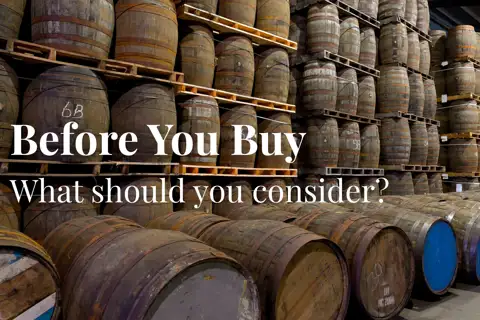
Before you buy, it’s essential to understand the terminology that underpins the sector. In this Whisky Investment Glossary, we break down the key whisky terms you need to know (clearly and simply) so you can navigate the market with confidence, ask the right questions, and make informed decisions whether you're buying bottles, investing in casks, or exploring whisky funds.
Glossary of Key Whisky Terms
ABV (Alcohol By Volume)
ABV indicates the percentage of alcohol in a whisky. Standard bottlings are often 40–46% ABV, while higher-strength releases may exceed this.
Higher ABV whiskies, particularly natural strength or cask strength releases, are often perceived as more authentic and are less diluted.
Our Tip: Collectors may value higher ABV releases more highly, especially if they signal minimal intervention during bottling.
Angles Share
The Angel’s Share refers to the portion of whisky that naturally evaporates from a cask during the maturation process. As whisky ages in oak warehouses, small amounts of alcohol and water escape through the wood each year, gradually reducing the total volume left in the cask.
From an investment perspective, the Angel’s Share plays a crucial role in value appreciation. While evaporation reduces volume (typically around 1–2% per year) it also concentrates flavours and increases rarity. Older casks contain less liquid, making well-matured whisky scarcer and often more desirable to collectors and investors. This natural loss helps explain why long-aged whiskies can command significantly higher prices, as fewer bottles can ultimately be produced from each cask.
Our Tip: When you’re preparing to sell, it’s advisable to have your cask re-gauged to obtain an accurate ABV (alcohol percentage). If you’re not selling immediately, a good guideline is to re-gauge the cask at 10 years of age and then every five years thereafter. While annual checks aren’t necessary, keeping track of changes in ABV can help you determine the optimal time to sell or bottle your whisky.
Explore Further: Find out more about navigating Whisky Investment as an alternative asset here.
Auction
Auctions are one of the primary marketplaces where investors buy and sell collectable whisky. They provide price transparency and public sales records, which help establish market value.
Explore Further: Auction Your Cask is our very own sister brand and the world's first online cask whisky auction site. Learn more about how to buy online and register for our next auction, whether you are looking to buy a cask or sell something you already own.
Blended Whisky
Blended whisky is made by combining different whiskies, often a mix of malt and grain whiskies, from multiple distilleries to create a consistent flavour profile. Unlike single malts, which highlight the character of one distillery, blends are crafted for balance and accessibility.
Our Tip: From an investment perspective, most standard blends have limited appreciation potential due to high production volumes. However, premium and limited-edition blends from prestigious houses such as Johnnie Walker can hold collectable value, particularly discontinued or special anniversary releases. In general, blends play a smaller role in investment portfolios compared to rare single malts, but exceptional releases can still attract strong demand.
Explore Further: Join us on a whistle-stop tour as we explore old and new distilleries here.
Bottled-in-Bond / Distillery Bottling
“Bottled-in-Bond” is a legal designation (originating in the United States) indicating that the whisky meets specific production and ageing standards. For collectors, such designations can enhance trust and authenticity.
A distillery bottling means the whisky was bottled by the original producing distillery rather than an independent bottler.
Our Tip: Distillery bottlings often command higher prices due to brand authority and perceived authenticity, particularly from prestigious producers.
Explore Further: If you’re interested in learning more about bottling and how this differs from casks, read more here.
Bonded Warehouse
A bonded warehouse is a secure, government-authorised facility where whisky casks are stored while maturing, without excise duty or VAT being paid. Taxes only become payable when the whisky is removed from bond for bottling or export.
Our Tip: Proper storage in a recognised bonded warehouse (like our Speyside warehouse) also helps protect provenance and compliance, both of which are critical for maintaining investment value.
Explore Further: All our clients have access to our in-house bonded warehouse, you can read more about how this works here.
Cask
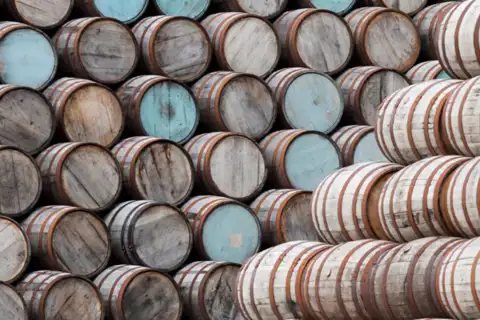
A cask is a wooden barrel, most commonly made from oak in which whisky is matured. Scotch has to be matured in an oak cask. In whisky investment, owning a cask is very different from owning bottled whisky. When you invest in a cask, you are purchasing whisky that is still ageing, often for years or even decades, allowing it to develop complexity, character, and value over time.
Our Tip: From an investment perspective, casks are attractive because they appreciate as the whisky matures and becomes rarer. Unlike bottles, which are static assets once sealed, casks are dynamic: their flavour profile and market value continue to evolve. Investors may eventually choose to bottle the whisky, sell the cask to another investor, or independent bottler. However, cask ownership also involves additional considerations such as storage, insurance, warehouse fees, and regulatory compliance, making it a more hands-on and long-term form of whisky investment than buying bottles.
Explore Further: Find out more about how Cask Ownership works in our guide here.
Cask Strength
Cask strength (or barrel proof) whisky is bottled directly from the cask without dilution, often resulting in higher ABV.
These releases are appealing to collectors because they are perceived as purer and are closer to the original maturation state.
Our Tip: Cask strength bottlings are often limited in number and may develop cult followings, contributing to stronger secondary market performance.
Explore Further: Discover how Cask Whisky is made in our guide here.
Distillery
A distillery is the facility where whisky is produced and sometimes matured. In investment terms, the reputation of the distillery is one of the most important value drivers.
Distilleries like The Macallan or Yamazaki Distillery command premium prices because of brand prestige, historical performance at auction, and global recognition.
Our Tip: Closed distilleries are especially attractive to investors, as no new stock can ever be produced, creating built-in scarcity. A strong distillery brand often translates to stronger long-term capital appreciation.
Explore Further: In our Whiskypedia you’ll find a comprehensive one-stop shop of information on whisky distilleries here.
Investment Grade
“Investment grade” whisky refers to bottles or casks considered suitable for capital appreciation rather than consumption. These are typically produced by reputable distilleries, released in limited quantities, and supported by historical auction performance.
Our Tip: Not every whisky qualifies as investment grade. Key criteria include brand strength, scarcity, condition, and market demand.
Explore Further: You can find our top three reputable investment grade distilleries here.
Liquidity
Liquidity refers to how easily an asset can be sold without significantly affecting its price. Highly sought-after bottles from globally recognised distilleries tend to be more liquid because they attract consistent buyer demand.
Our Tip: More obscure or niche releases may take longer to sell, even if rare. Investors should consider liquidity when building a portfolio, balancing long-term appreciation potential with the ability to exit positions efficiently when needed.
Explore Further: Read about the considerations you need to make before investing in whisky here.
Maturation
Maturation is the ageing process during which whisky rests in a cask, developing flavour, aroma, and complexity. Time in oak significantly influences quality and rarity.
Our Tip: From an investment standpoint, longer maturation typically increases value—particularly for age-stated whiskies (e.g., 18, 25, or 30 years old). However, extended ageing also reduces volume due to evaporation (the “angel’s share”), increasing scarcity and potentially driving higher prices. Whisky can not be matured indefinitely. If the ABV falls below 40% the liquid can no longer be called whisky and the value will decrease dramatically. Furthermore, a whisky can become too woody or tannic to the taste and therefore harder to sell.
Explore Further: Discover what you need to know about maturation here.
Limited Edition
A limited edition is a whisky released in restricted quantities, often to commemorate an event, anniversary, or special cask selection. Scarcity is a key factor in collectibility.
Limited editions from high-profile producers frequently perform well in the secondary market, particularly if they are numbered bottles or part of a sought-after series.
Our Tip: The smaller the outturn (number of bottles produced), the greater the potential scarcity-driven price appreciation, assuming demand is strong.
Explore Further: If you’re interested in exploring limited edition opportunities, we are proud to have launched a new & exclusive limited edition whisky bottle collection with Si King, you can find out more details here.
Regauge
A regauge is the official measurement of a whisky cask’s contents, typically carried out to determine the current volume of liquid and its alcohol strength (ABV). Regauging is usually performed when a cask is sold, transferred, or prepared for bottling.
Our Tip: In investment terms, regauging provides clarity on the true value of a cask. Because evaporation (the Angel’s Share) reduces volume over time, a regauge ensures buyers and sellers are working with accurate, up-to-date figures, reducing risk and supporting transparent pricing.
Secondary Market
The secondary market refers to the resale market where whisky is traded after its original retail release. Prices here are driven by supply and demand rather than the recommended retail price (RRP).
Investor sentiment, brand reputation, critic reviews, and broader economic conditions all influence pricing dynamics.
Our Tip: If a bottle sells out at launch and demand remains high, its value may increase quickly in the secondary market.
Single Malt
Single malt whisky is produced at a single distillery using malted barley and traditional pot stills. Despite the name, “single” does not mean it comes from a single cask; it simply means all the whisky was made at the same distillery. This distinction is crucial in investment terms, as single malts are often closely tied to a distillery’s reputation, history, and production style.
Rare single malts are particularly valuable because they reflect limited production, discontinued expressions, or whiskies from closed or highly sought-after distilleries. Bottles from iconic producers such as The Macallan are prized by collectors due to consistent quality, strong brand recognition, and global demand.
Our Tip: As stocks diminish and demand increases, especially for older age statements or special releases, the value of rare single malts can rise significantly, making them a cornerstone of many whisky investment portfolios.
Explore Further: You can find out more about different types of Scottish Whisky here.
Provenance
Provenance refers to the documented history and authenticity of a bottle or cask. This can include purchase receipts, storage records, original packaging, and ownership history.
Strong provenance reduces the risk of fraud and increases buyer confidence, especially in high-value transactions.
Our Tip: Rare bottles with full documentation and original packaging typically command higher prices than those without.
Explore Further: Find out what’s on our stock list here.
Vintage
In whisky, “vintage” typically refers to the year the whisky was distilled (and sometimes bottled). Unlike wine, whisky does not continue ageing in the bottle, so the vintage reflects when maturation began, not ongoing ageing.
Older vintages often command higher prices because they represent older stock and, in some cases, historical production methods no longer in use.
Our Tip: A 1970s or 1980s vintage release from a respected distillery can appreciate significantly due to rarity, nostalgia, and limited remaining supply.
WOWGR (Warehousekeepers and Owners of Warehoused Goods Regulations)
WOWGR refers to the UK regulatory framework governing who is permitted to own, store, and trade duty-suspended goods (such as maturing whisky) within bonded warehouses.
Our Tip: If you see references to needing a “WOWGR licence” for owning warehoused goods today, that relates to the old regime which changed on 3rd of March 2025 and isn’t required anymore — instead you need to ensure the warehousekeeper is authorised and that your ownership is properly recorded according to current excise rules.
Explore Further: You can discover more about what the WOWGR changes mean for owners here.
Conclusion
We hope these whisky investing definitions have helped you on your journey to understanding whisky that little bit more. Investing in whisky as an alternative asset is as much about knowledge as it is about passion. Understanding terms like cask, single malt, Angel’s Share, and bonded warehouse gives investors the tools to navigate a market that blends tradition, rarity, and financial opportunity. Each concept, from vintage and limited editions to secondary market dynamics and provenance, plays a role in determining value, liquidity, and long-term potential.
Whether you’re buying bottles, casks, or exploring investment-grade releases, a solid grasp of whisky terminology helps you make informed decisions, minimise risk, and appreciate the subtleties that drive both flavour and investment returns.
Ultimately, knowledge transforms your whisky portfolio from a collection of bottles into a strategic, high-potential investment.
Ready to take the next step in your whisky investment journey? Contact Us.