Introduction
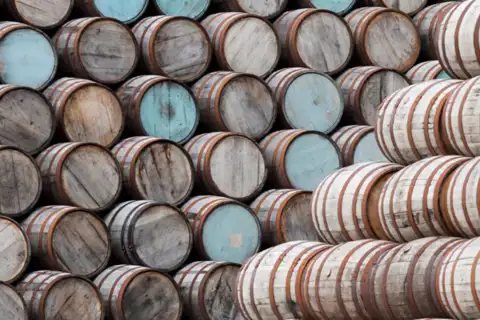
In the whisky industry, the cask plays a defining role in shaping the spirit’s final character. While distillation determines the base spirit, maturation in oak casks is responsible for much of the flavour, colour, and complexity found in the finished whisky. Distillers carefully manage the interaction between spirit and wood throughout the ageing process, and one of the most important techniques used to influence this development is re-racking.
Re-racking refers to the process of transferring whisky from one cask into another during maturation. This secondary maturation allows producers to adjust flavour development, accelerate maturation, or introduce new characteristics to the spirit. Though whisky may spend years in its original cask, a carefully chosen secondary cask can significantly shape the final product in a shorter period.
Understanding why re-racking is used requires examining how casks influence whisky and how distillers use different cask types, sizes, and previous contents.
The Importance of the Cask in Whisky Maturation
Whisky maturation is the interaction between spirit, oak, and time. As whisky rests in a cask, it extracts compounds from the wood, absorbs left over flavours from previous contents, and undergoes chemical transformations that gradually soften and enrich the spirit.
Different casks influence whisky in different ways. The species of oak, the preparation of the wood, and what the cask previously held all effect flavour development. For example, American oak often produces notes of vanilla, coconut, caramel, and sweet spice, while European oak tends to provide richer flavours such as dried fruit, nuts, and spice.
The previous contents of the cask are equally important. Barrels that previously held sherry, port, or wine retain absorbed compounds within the wood. When whisky is introduced, these compounds gradually dissolve into the spirit, adding layers of sweetness, fruit, and complexity.
Because of these differences, two whiskies produced at the same distillery can taste completely different depending on the casks used during maturation.

What Is Re-Racking?
Re-racking is the deliberate transfer of whisky from one cask into another during its ageing period. Distillers typically do this when they want to change or enhance the whisky’s flavour profile or revive the maturation process.
Sometimes whisky is initially matured in relatively neutral or “tired” casks that have been used several times before. These casks are ideal for long ageing because they allow the spirit to develop slowly without being overwhelmed by strong wood influence. However, if the whisky is nearing bottling and requires more flavour, it can be moved into a more active cask to increase flavour extraction in a shorter time.
The whisky may remain in this second cask for anything from a few months to several years depending on the desired result.
Why Distillers Re-Rack Whisky
Enhancing or Adjusting Flavour
One of the main reasons for re-racking is to modify the whisky’s flavour profile. Casks lose some of their flavour potential each time they are used. If a whisky matured in such a cask lacks intensity, transferring it into a fresh or first-fill cask can significantly increase flavour extraction.
The new cask may introduce flavours such as dried fruit, spice, caramel, or vanilla depending on its origin and previous contents.
This process is commonly used to create finishing styles such as sherry, port, or wine cask finishes, where whisky gains additional complexity from the secondary cask.
Accelerating Maturation
Cask size has a major influence on the speed of maturation. Smaller casks expose the whisky to a greater surface area of wood relative to the volume of liquid. This increases the rate at which flavour compounds are extracted.
A quarter cask (around 125 litres) adds flavour relatively quickly. A standard American barrel (around 200 litres) develops flavour at a moderate rate. A sherry butt (around 500 litres) allows slower maturation and more gradual flavour development.
If a distiller wants to accelerate flavour development, transferring whisky into a smaller cask can significantly increase wood interaction. However, this approach requires careful monitoring to avoid over-maturation, where excessive oak influence can dominate the spirit.
Introducing New Flavour Layers
Re-racking also allows distillers to introduce new flavour characteristics that were not present during the initial maturation stage. This is typically achieved by transferring whisky into casks that previously held fortified wines or other spirits.
Common finishing casks include Oloroso sherry casks, Pedro Ximénez sherry casks, port pipes, and wine barrels. These casks contain flavours from their previous contents, which can add notes of dried fruit, sweetness, spice, or berry flavours to the whisky.
The finishing period is usually shorter than the primary maturation stage because the aim is to add complexity without overpowering the spirit.
Reviving Maturation in Tired Casks
Some casks eventually become too inactive to influence whisky effectively. When this happens, distillers may transfer the spirit into a more active cask to continue maturation.
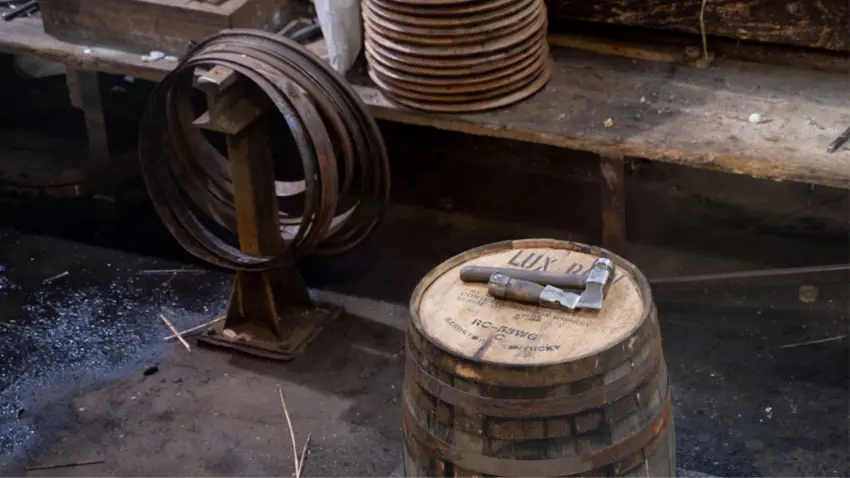
Cooperage techniques can also rejuvenate casks by exposing fresh layers of oak. Processes such as shaving, toasting, and re-charring restore the cask’s ability to impart flavour compounds to the whisky. These rejuvenated casks can produce new flavour characteristics while extending the useful life of the barrel. And they themselves have unique flavour attributes.
Timing and Control of Re-Racking
Successful re-racking requires careful monitoring and timing. Distillers regularly sample casks throughout maturation to evaluate flavour development and decide when a transfer might be beneficial.
Once the whisky reaches the desired flavour from the secondary cask, it may be bottled or transferred again for further ageing. The finishing stage can last from a few months to several years depending on the cask and the intended flavour profile. This process allows distillers to fine-tune the balance between spirit character and oak influence.
The Role of Re-Racking in Whisky Production
Re-racking is an important technique that allows distillers to guide the development of whisky during maturation. By transferring spirit into different casks, producers can enhance flavour, accelerate maturation, introduce new characteristics, or revive ageing in tired barrels.
Although distillation creates the spirit, maturation in oak casks ultimately defines much of the whisky’s character. Re-racking provides the flexibility needed to refine that character and produce a wide range of distinctive whisky styles.
Through careful cask selection and timing, distillers can transform a developing spirit into a balanced and complex whisky that reflects both the quality of the distillate and the influence of the wood.